
Home / Land Promotion / Urban Land
Urban Land Development & Promotion
Unlock the development potential of your urban land
What is Urban Land?
Urban land includes land and property within towns, cities and established settlements that may have potential for redevelopment, intensification or a change of use.
Opportunities can include previously developed land, redundant commercial premises, underused buildings, infill sites and larger properties where the underlying land may have greater development potential.
Own urban land? It may have development potential you haven't considered.
Why consider selling urban land for development?
Local authorities need to plan for a range of homes to meet the needs of their communities, from new residential housing to care homes and retirement accommodation. Well-located urban land can play an important role in delivering the homes, while making effective use of land within existing towns and settlements.
Urban land can be significantly more valuable when its development potential is understood. A site currently used for commercial, residential or other purposes may have potential for redevelopment, a change of use or more intensive development.
Selling land without first understanding this potential could mean accepting a price based on its existing use rather than its potential development value.
Muller works with landowners to assess that potential and, where appropriate, promote the land through the planning process before bringing it to the market.
What types of urban land do we promote?
Brownfield Land
Commercial land & property
Redundant buildings
Retail & roadside sites
Large houses & gardens
Care, leisure & institutional sites
What makes urban land suitable for development?
No single factor determines whether urban land can be developed. Muller assesses a combination of planning, technical and commercial considerations, including:
- Location and surrounding development
- Existing and previous land uses
- Access and highways
- Local housing need
- Planning policy and allocations
- Site size and configuration
- Utilities and infrastructure
- Flood risk and drainage
- Ecology and biodiversity
- Heritage considerations
- Contamination and ground conditions
You don’t need to establish this yourself. Our team can undertake an initial assessment of your land’s development potential.
How Muller unlocks the value of urban land
We identify brownfield and urban sites with genuine development potential and assess the planning position. If we don’t think your site can be brought forward, we’ll tell you. If we do, we will build the case, and negotiate directly with urban planning authorities. You work with the same senior decision-makers from first assessment through to completion.
Assess
We review the site’s planning position, previous use, technical constraints, remediation requirements and development potential.
If we don’t believe there is a realistic opportunity, we’ll tell you.
Develop the strategy
If the site has genuine potential, we agree a clear strategy for bringing the land forward.
You retain ownership while we begin the work required to progress the opportunity.
Fund the planning process
Muller funds the planning, legal and professional costs, including the technical investigations required to support the development strategy.
Secure planning permission
Our team coordinates the planning strategy, technical specialists and discussions required to move the site towards a viable development proposal.
Maximise the land value
We manage the planning application with the aim of securing a robust, commercially deliverable planning permission that unlocks the development potential of your land.
Urban land can be complex. That's where experience matters.
Urban sites can present challenges that aren’t necessarily encountered on straightforward greenfield land: neighbouring uses, existing buildings, demolition, contamination, highways, access, heritage, viability and competing planning considerations.
Muller’s role is to identify a viable development strategy and manage those complexities on the landowner’s behalf.
years of land promotion experience
of planning costs funded from our own capital
planning success rate
gross development value accross the portfolio
We take on the complexity
We invest our own capital
We fund the planning, legal, environmental and technical work required to promote the site.
We manage the technical issues
Our team coordinates the specialist investigations needed to understand contamination, remediation, highways, drainage, ecology and other site constraints.
We create deliverable schemes
We don’t pursue planning permission in isolation. We develop proposals around what can realistically be delivered.
You deal with decision-makers
You deal directly with the people responsible for your project, from the first conversation through to completion.
The challenges of urban planning development
Urban sites rarely come without complications. Issues such as overlooking, access restrictions, highway constraints, conservation area considerations, and neighbouring rights-to-light can routinely delay or complicate planning applications.
With no certainty of securing urban planning permission, and with the significant cost of architects, planning consultants, legal advice, and technical reports, bringing a site forward independently can be complex.
With a strategic land promotion partner, you gain a clear delivery strategy without carrying that cost or burden. We invest our own capital and our team manages the planning process, technical assessments, and negotiations from initial appraisal through to consent.
Contact us to sell urban land
Speak to our Land Team today and discover how we can help you create lasting value on your land.


Town centre redevelopment
As town centre redevelopment moves further towards building communities, homes and leisure attractions on existing town centre plots, it creates opportunities to sell urban land.
Declining town centres can be regenerated with the underused land being promoted and sold on as part of a brownfield urban development scheme. If you own town centre property and think it has potential for town centre redevelopment, we can help secure consent from local councils and promote the site for redevelopment.
Understanding your land's potential
Some urban sites have genuine development potential. Even complex brownfield urban development sites can be successfully brought forward with the right expertise and knowledge. Others face planning, access, ownership, or policy constraints that limit what can realistically be achieved.
We will tell you honestly either way.
If we believe your site can secure planning permission, we will commit the capital, time, and expertise needed to promote it.
If we do not believe the planning case can be made, we will explain why.
Request a confidential assessment of your land
If you own or control urban land and would like an initial view on its development potential, we would be pleased to review the opportunity.
Our team will provide an honest view of the opportunities, planning constraints, and likelihood of securing urban planning permission.
There’s no obligation and you’ll speak directly to a decision maker. Submit your details using the form.
Latest News
Read more about previous and current urban land development schemes.
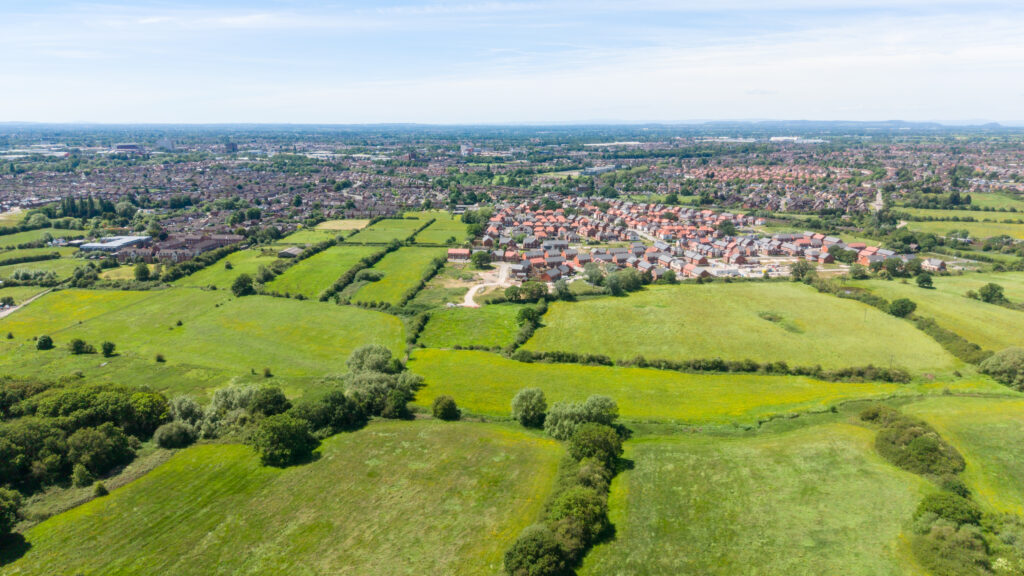
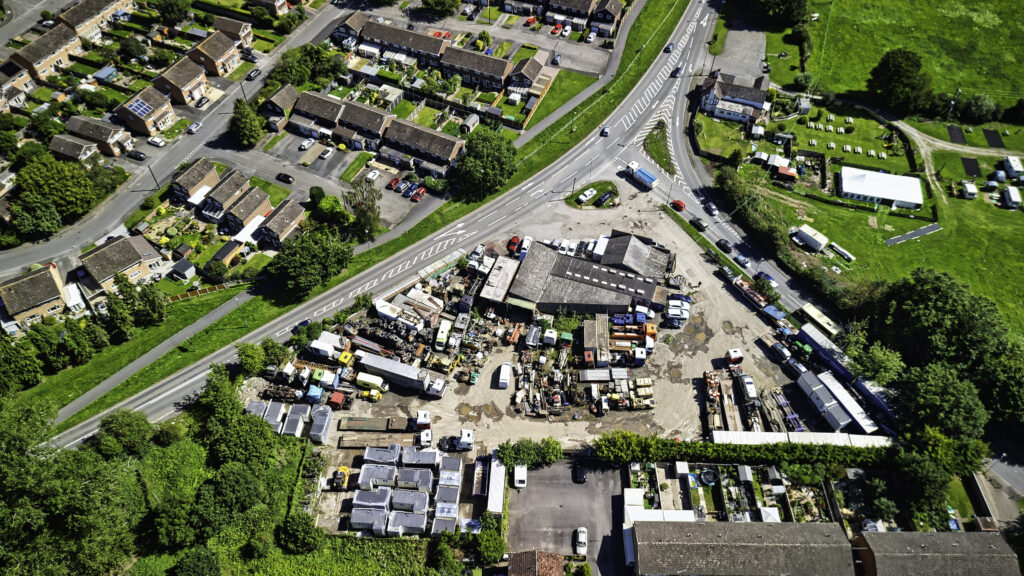
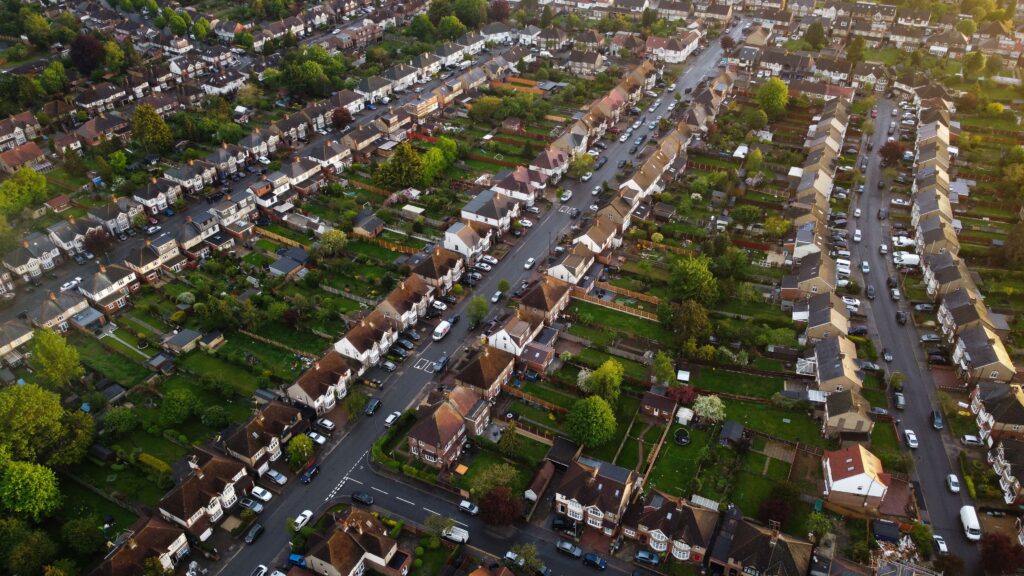
Urban Land Development FAQs
What is urban land development?
Urban land development is the process of promoting land located within existing towns and cities that has potential for residential, care, or mixed-use development. A land promoter takes this land through the planning system to secure planning permission for development.
Muller Property Group funds and manages the urban planning process, removing the risk for landowners. Once planning permission has been secured, the land is marketed for sale to developers, allowing landowners to benefit from the increase in value created by planning permission without funding the promotion process themselves.
What types of urban land can be developed?
Suitable urban land can include:
- Vacant or derelict town centre plots
- Underused commercial or office premises
- Former employment land, such as business parks or factories
- Derelict institutional land, including schools or hospitals
- Infill land between existing buildings
- Redundant car parks
- Edge-of-town sites
Why choose Muller Property to promote urban land?
Securing planning permission can require significant investment before any increase in land value is realised.
We fund the planning process, manage technical work, and carry the financial risk throughout. Landowners benefit from planning consent with none of the risk associated with tackling planning departments independently. Once planning permission is secured, the land is sold on the open market to achieve the best possible value.
Our team specialises in unlocking value from complex urban sites, with a 97% planning success rate. As a company, we have promoted and completed development schemes for over 25 years. Our current management team has worked together since 2011 offering consistency and experience.
How long does urban land development take?
The planning process varies depending on the size and complexity of the site.
Most projects take between 12 and 36 months to reach planning permission. However, timelines can be longer for more complex schemes where additional work is required to address issues such as:
- Highways and access
- Design considerations
- Heritage constraints
- Infrastructure requirements
Once planning permission has been secured, the land is marketed to developers before construction begins.